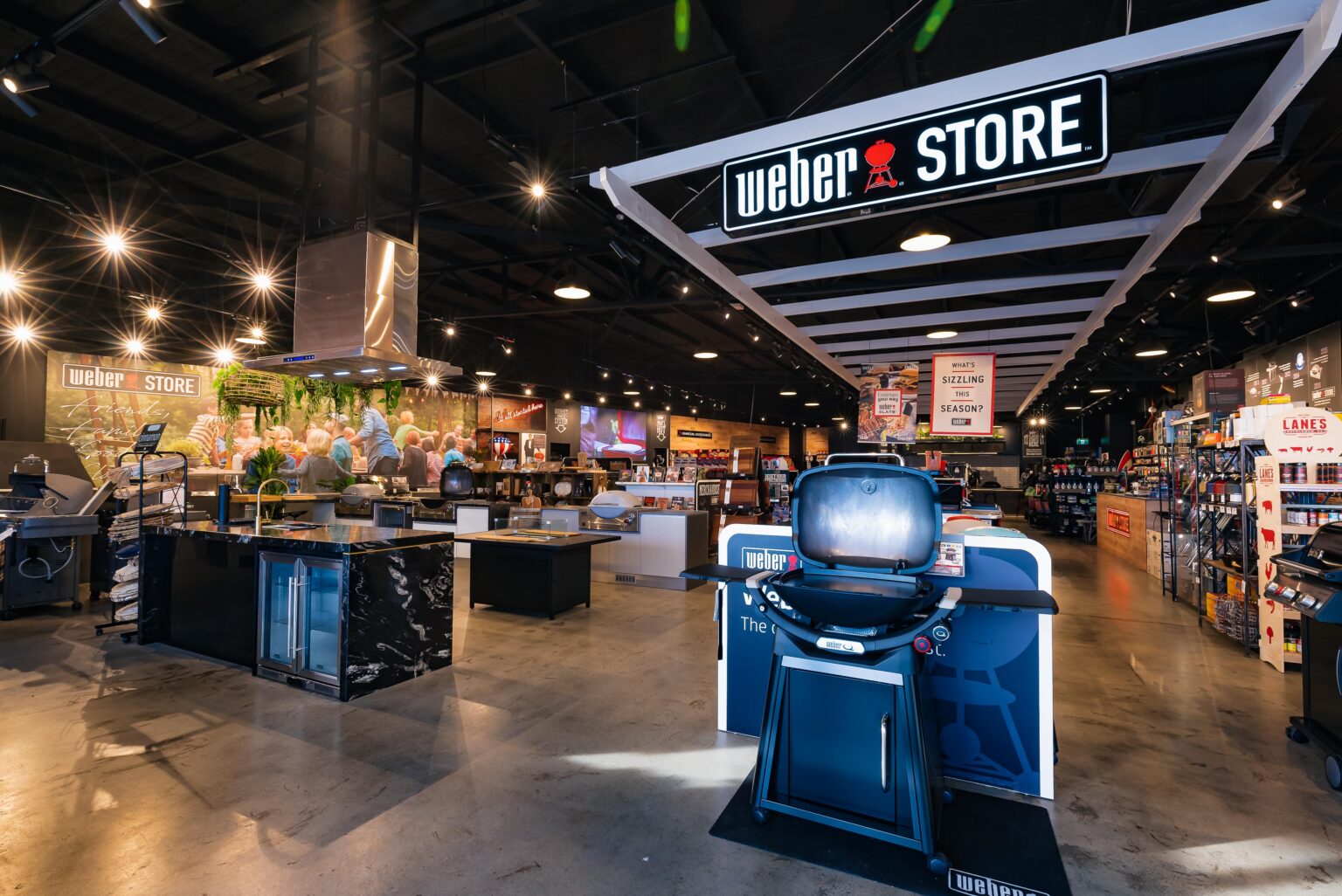
The field of architecture has long been a testament to the confluence of art and science, with each building telling a unique story of creativity and functionality. In recent years, the architectural landscape has evolved dramatically, with innovative companies at the forefront of this transformation. These firms leverage cutting-edge technology, sustainable practices, and a deep understanding of client needs to craft spaces that are not only aesthetically pleasing but also highly functional and environmentally conscious. This article explores the elements that define design excellence in the modern era and highlights innovative practices that set leading architecture companies apart.
Integrating Technology and Design
The use of technology in architecture has revolutionized the industry, enabling architects to push the boundaries of design. Here are some ways in which technology is redefining architecture:
- 3D Modeling and Visualization: Advanced software allows architects to create detailed models, offering clients a realistic preview of the final structure. Explore advanced guides and tips.
- Building Information Modeling (BIM): This approach facilitates better collaboration among stakeholders, optimizing the design process and reducing errors.
- Virtual Reality (VR): VR technology enhances client engagement by providing immersive walkthroughs of designs before construction begins.
Sustainability at the Core
As global awareness of environmental issues grows, sustainable architecture has become a critical focus. Innovative architecture firms are adopting sustainable practices to minimize environmental impact. Key strategies include:
- Use of Renewable Materials: Selecting materials that are sustainable and have a low carbon footprint.
- Energy Efficiency: Designing buildings that maximize energy efficiency through innovations like solar panels and smart lighting systems. Learn about our tailored solutions.
- Water Conservation: Implementing systems that reduce water usage, such as rainwater harvesting and efficient plumbing fixtures.
Client-Centric Design Approach
A design that reflects the unique needs and aspirations of the client is a hallmark of excellence in architecture. Leading firms employ a client-centric approach, which involves:
- Comprehensive Needs Assessment: Understanding the client’s vision, budget, and functional requirements to inform the design process.
- Tailored Solutions: Customizing designs to align with the client’s specific goals and preferences. Discover expert strategies here.
- Ongoing Communication: Maintaining open lines of communication throughout the project to ensure satisfaction and address any evolving needs.
Innovative Design Trends
Staying ahead of design trends is essential for any architecture firm aiming to redefine excellence. Current trends include:
- Biophilic Design: Incorporating natural elements into interiors to create calming and inspiring environments.
- Adaptive Reuse: Transforming existing structures for new purposes, preserving cultural heritage while meeting modern needs.
- Flexible Spaces: Designing multi-functional areas that can adapt to various uses and activities. Find out more about this approach.
Conclusion
The quest for design excellence in architecture hinges on a blend of innovative technology, sustainable practices, and a client-focused approach. By integrating these elements, architecture firms can deliver projects that exceed expectations and set new standards in the industry. As the field continues to evolve, the commitment to redefining excellence remains a guiding principle for those leading the charge. For more insights into cutting-edge architectural practices and strategies, explore advanced guides and tips.
About the Author