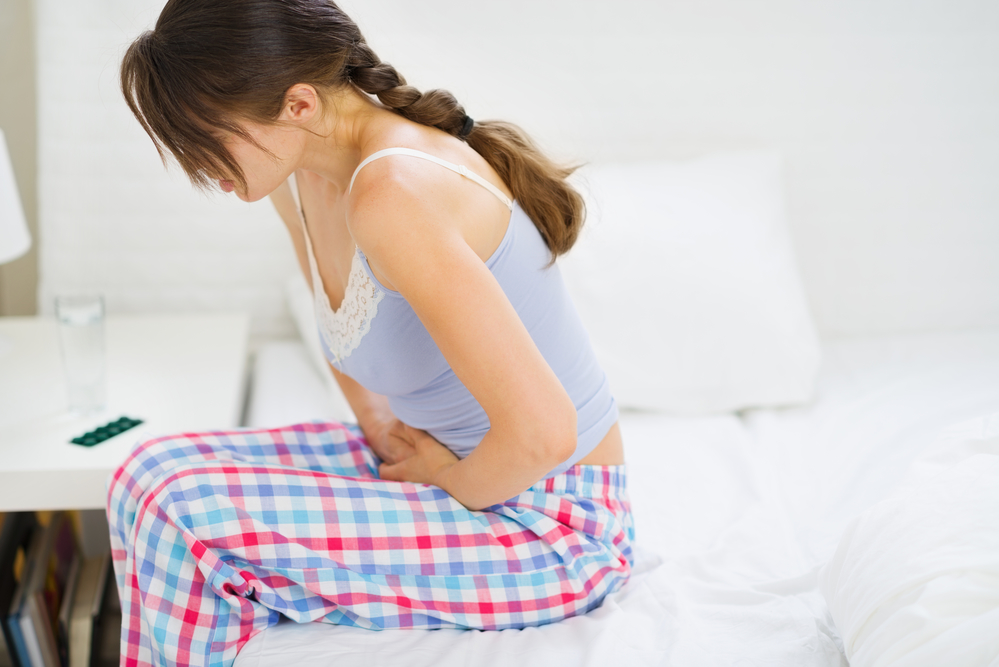
Endometriosis is a chronic condition affecting millions of individuals worldwide, characterized by the growth of endometrial-like tissue outside the uterus. This condition can lead to significant pain, infertility, and a host of other symptoms that can severely impact quality of life. While there is no cure for endometriosis, various treatment options can help manage its symptoms and improve overall well-being. Understanding these options empowers individuals to make informed decisions about their care and work towards a better quality of life.
Comprehensive Pain Management
Effective management of pain is a cornerstone of endometriosis treatment. Various methods are employed to alleviate this common and often debilitating symptom:
- Over-the-Counter Pain Relievers: Nonsteroidal anti-inflammatory drugs (NSAIDs), such as ibuprofen, can be effective for mild to moderate pain relief.
- Prescription Medications: For more severe pain, healthcare providers may prescribe stronger analgesics or hormonal therapies to manage symptoms.
- Alternative Therapies: Techniques such as acupuncture, yoga, and meditation have shown benefits in pain reduction for some individuals.
Hormonal Treatments
Hormonal therapies are designed to reduce or eliminate menstruation, thereby decreasing or halting the progression of endometriosis. These treatments include:
- Oral Contraceptives: Birth control pills can help regulate or stop menstruation, reducing the occurrence of endometrial tissue shedding.
- Gonadotropin-Releasing Hormone (GnRH) Agonists: These medications induce a temporary menopausal state, reducing estrogen levels and shrinking endometrial tissue.
- Progestin Therapy: Progestin-based treatments can slow endometrial growth and alleviate symptoms.
Minimally Invasive Surgical Options
In cases where medication and hormonal treatments are insufficient, surgical intervention may be considered. Minimally invasive surgeries include:
- Laparoscopy: A laparoscopic procedure allows for the removal of endometrial growths with minimal incisions, reducing recovery time and potential complications.
- Excision Surgery: This involves the precise removal of endometrial lesions by a specialist, offering more comprehensive symptom relief.
Diet and Lifestyle Changes
While not a replacement for medical treatments, certain dietary and lifestyle adjustments can contribute to symptom management:
- Anti-inflammatory Diet: Incorporating foods that reduce inflammation, such as omega-3 fatty acids, fruits, and vegetables, can help manage symptoms.
- Regular Exercise: Engaging in regular physical activity can alleviate pain and improve mental health.
- Stress Management: Techniques like mindfulness, therapy, and support groups can provide emotional relief and reduce stress-related symptom flare-ups.
Long-term Management and Support
Dealing with endometriosis is a long-term journey, and having a support system is crucial. Resources such as endometriosis treatments provide valuable information, and connecting with support groups can offer emotional and practical assistance. It is also beneficial to maintain open communication with healthcare providers to tailor treatment plans to individual needs.
Endometriosis management requires a multi-faceted approach that combines medical treatment, lifestyle adjustments, and emotional support. By staying informed and proactive, individuals with endometriosis can navigate their symptoms effectively and maintain a higher quality of life.
About the Author