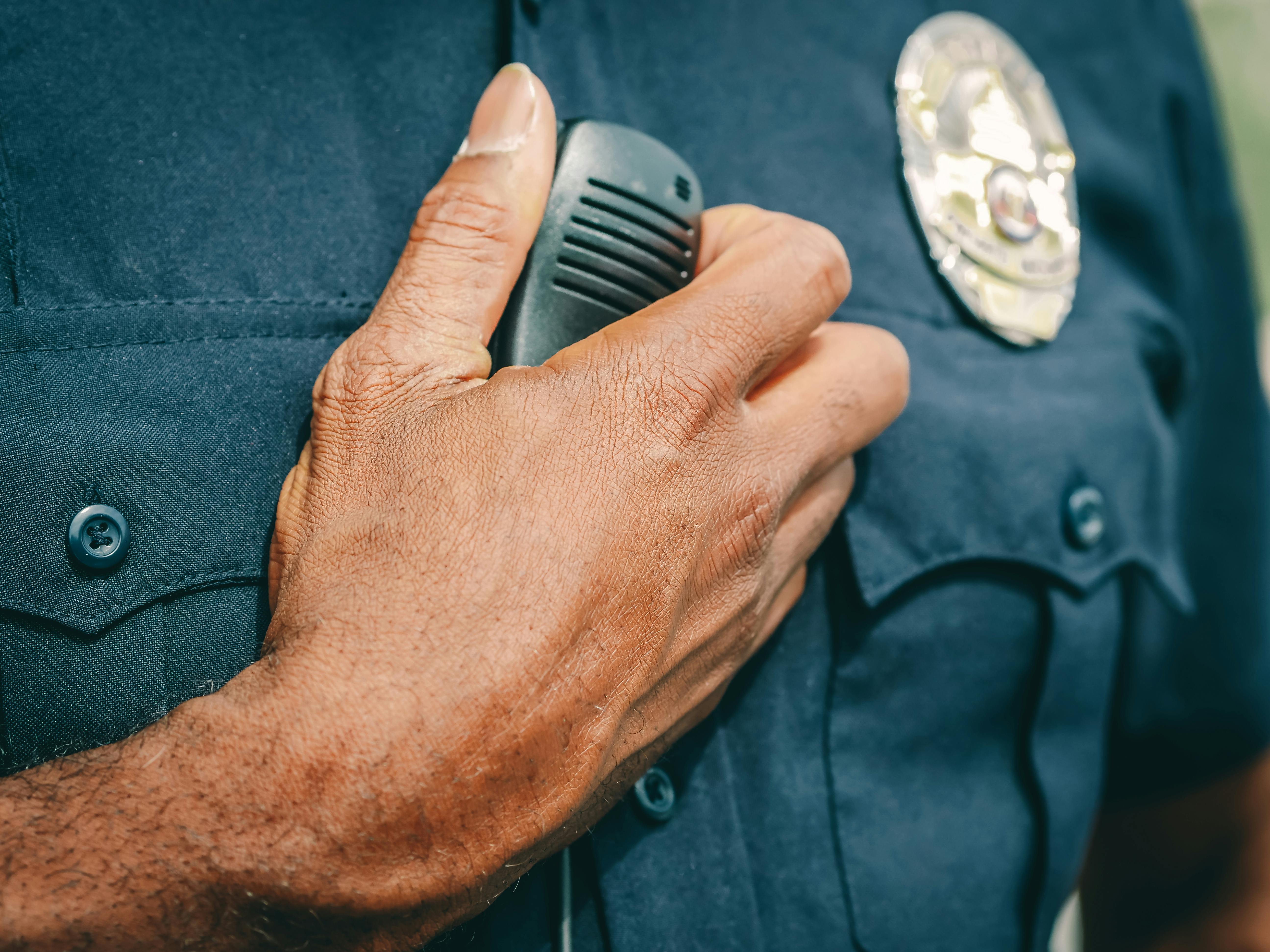
In an increasingly interconnected world, the importance of maintaining robust diplomatic relations and ensuring the safety of international representatives cannot be overstated. Diplomatic protection serves as a vital component in enhancing global security by safeguarding diplomats and embassies, thereby fostering peaceful international interactions. This article delves into the intricate role of diplomatic protection, illustrating its significance and the mechanisms through which it operates.
The Importance of Diplomatic Protection
Diplomatic protection is essential for the following reasons:
- Ensures the safety of diplomats and foreign missions, allowing them to perform their duties without fear of harm.
- Helps maintain international peace and stability by protecting diplomatic channels for negotiation and dialogue.
- Prevents international incidents that could arise from attacks on embassies or consulates.
The presence of a diplomatic security service is crucial to achieving these goals, as it provides specialized protection tailored to the unique needs of diplomatic missions.
Mechanisms of Diplomatic Protection
Physical Security Measures
Physical security is a fundamental aspect of diplomatic protection. This includes:
- Perimeter security involving fences, walls, and surveillance systems to deter unauthorized access.
- Access control protocols to monitor and manage the entry and exit of personnel and visitors.
- Deployment of trained security personnel to respond to emergencies and potential threats.
Cybersecurity Measures
In the digital age, cybersecurity is equally critical. Diplomatic missions often handle sensitive information that requires robust protection against cyber threats. Key measures include:
- Implementing advanced encryption technologies to protect communications and data.
- Regular cybersecurity audits to identify and address vulnerabilities.
- Continuous monitoring of network activities to detect and neutralize potential cyber threats.
Collaborative Efforts
Diplomatic protection involves collaboration between various stakeholders, including:
- Host nations, which bear the primary responsibility for the security of foreign diplomats on their soil.
- International organizations, such as the United Nations, which provide frameworks and support for diplomatic security.
- Private diplomatic protection services that offer specialized expertise and resources.
The Future of Diplomatic Protection
As global dynamics evolve, so too must the strategies and techniques employed in diplomatic protection. Future trends may include:
- Increased use of technology to enhance surveillance and threat detection capabilities.
- Greater emphasis on training personnel to handle emerging threats, such as cyberattacks and biosecurity risks.
- Development of international standards and protocols to ensure consistent and effective diplomatic protection worldwide.
Diplomatic protection will continue to play a critical role in fostering international cooperation and security, adapting to new challenges while maintaining its core mission of safeguarding diplomatic engagements.
About the Author